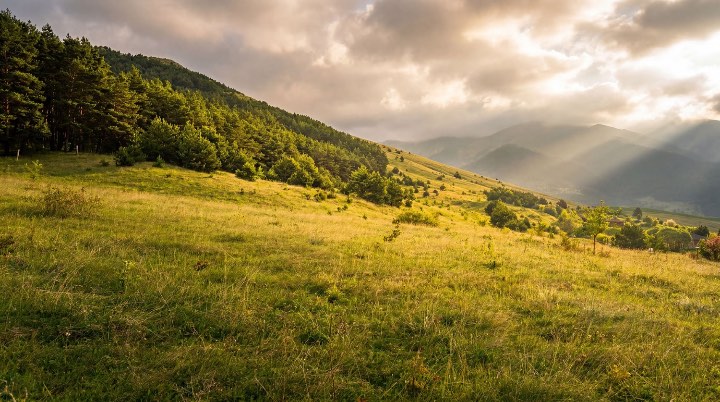
The Forestry program is at the heart of Armenia Tree Project's mission to restore forests, strengthen rural communities, and build long-term environmental resilience across Armenia.
Explore program → The Forestry program is at the heart of Armenia Tree Project's mission to restore forests, strengthen rural communities, and build long-term environmental resilience across Armenia.
Explore program →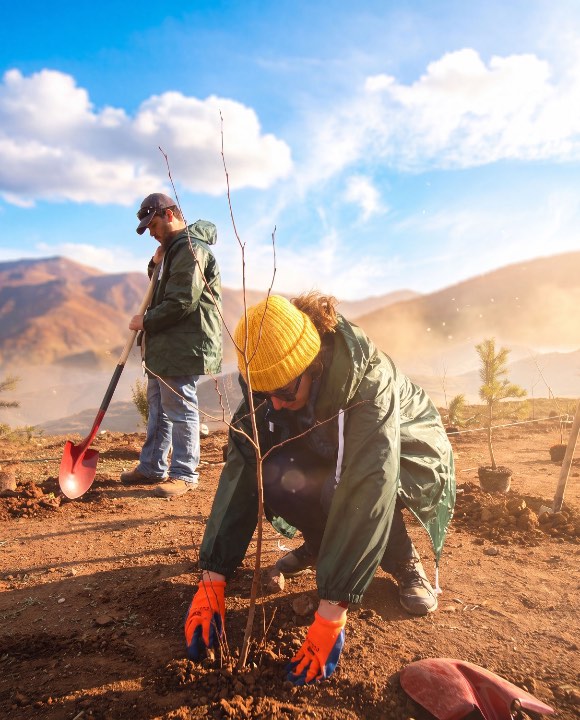
Armenia Tree Project's Community Tree Planting program transforms public spaces into green, living environments — planting trees in schools, kindergartens, hospitals, parks, churchyards, cultural sites, and community spaces in both urban and rural areas. These projects improve local ecosystems, strengthen climate resilience, and create healthier, more livable environments while building long-term community ownership of green spaces.
Explore program →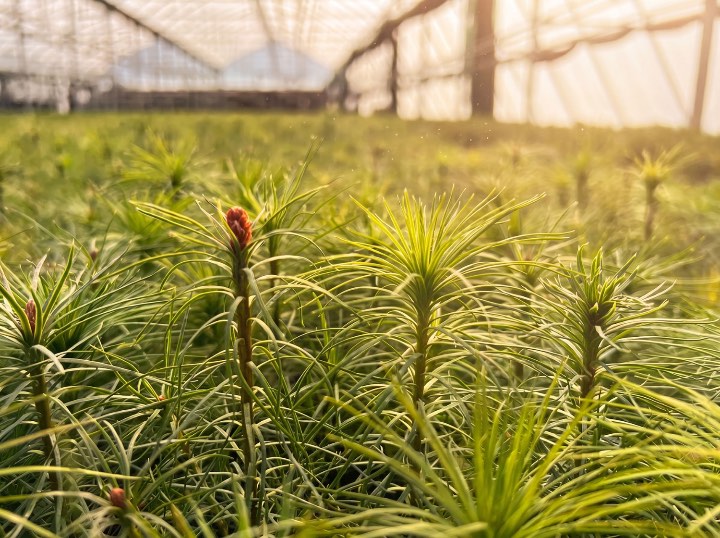
ATP's nurseries are the foundation of all restoration work. Every forest, community planting, and landscape project begins here — with seeds collected in Armenia and carefully grown into healthy, climate-resilient trees. ATP operates four full-scale nurseries and more than 100 Backyard Nursery growers, a decentralized network that preserves native genetic diversity and ensures a continuous supply of locally adapted trees.
Explore program →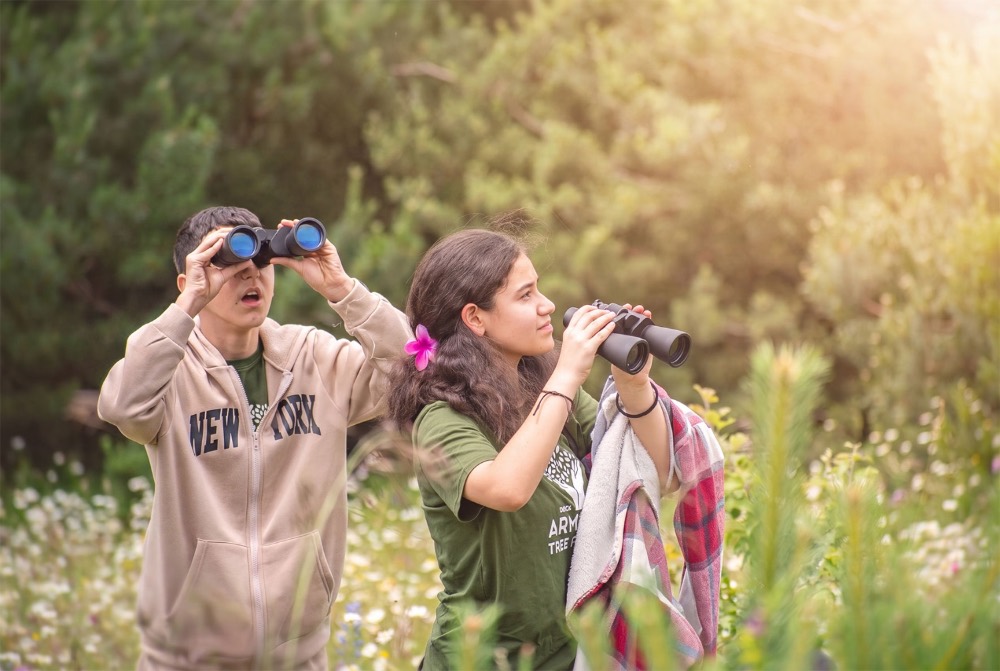
ATP's Environmental Education program builds environmental awareness and practical skills among students, teachers, and communities nationwide. Through hands-on learning and direct engagement with nature, it fosters long-term responsibility for the environment and strengthens the next generation of environmental stewards.
Explore program →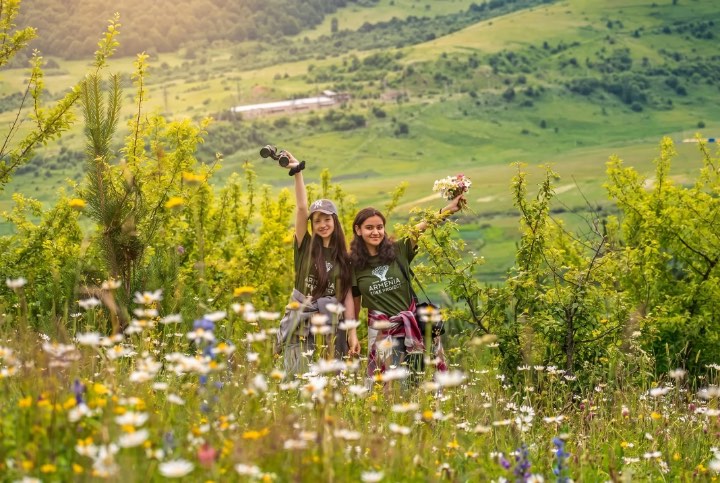
ATP’s special initiatives extend beyond core programs, bringing together environmental restoration, cultural heritage, scientific innovation, and global collaboration. These projects represent ATP’s role in shaping Armenia’s environmental future at both national and international levels.
01
Armenia at the center of global biodiversity action. In 2026, COP17 will place Armenia at the heart of global biodiversity discussions — more than 20,000 participants from over 50 countries addressing urgent challenges in biodiversity.
As part of this landmark international event, ATP will contribute to national efforts to raise awareness about biodiversity and encourage public engagement in environmental action.
02
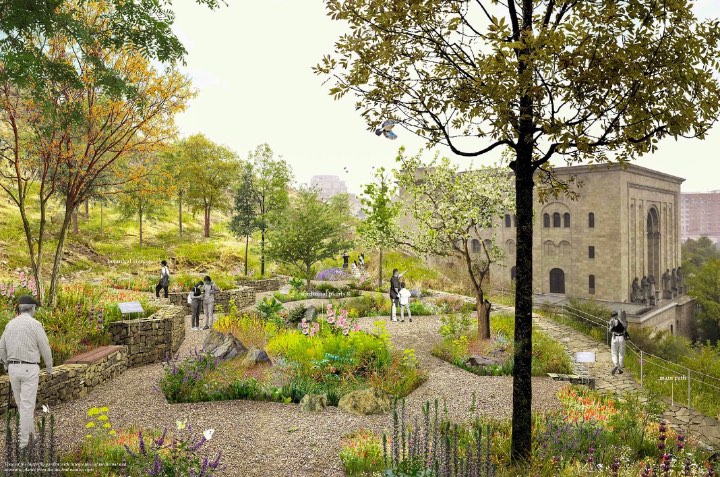
Yerevan will soon be home to a unique space where Armenian cultural heritage and natural ecosystems come together.
In partnership with Matenadaran, AHA Collective, and Kollektif, ATP is helping create a conceptual garden that extends the museum experience into nature — a calm, reflective space drawing on traditional Armenian landscape traditions.
Plants referenced in medieval manuscripts and historical records will take root here, bringing written heritage into a living landscape and featuring native Armenian species.
03
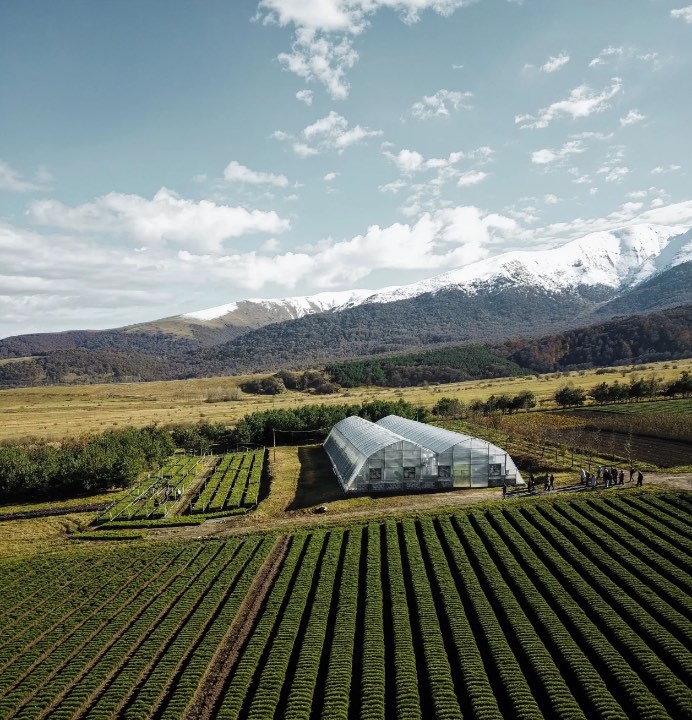
With the support of a private donor, ATP is developing a state-of-the-art seed storage, processing, and research facility at its Margahovit nursery site.
The center will ensure long-term access to high-quality native seeds for ATP’s nursery system and forestry work, and serve as a national resource for preserving Armenia’s native tree genetic heritage — including rare and endangered species listed in the Armenian Red Book.
04
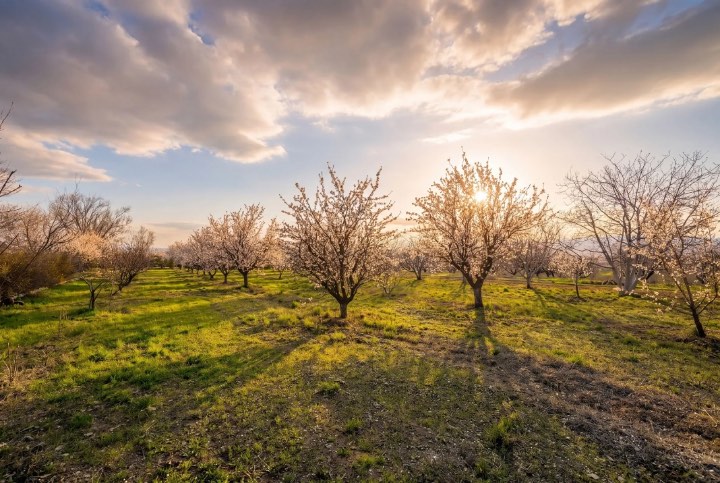
ATP stewards a 5-hectare heritage apricot orchard in a stunning landscape adjacent to the 7th-century Saint Gayane Church and overlooking Mount Ararat, cultivating Armenia’s 40+ apricot varieties — an internationally recognized symbol of Armenian identity, culture, and agriculture.
Often called a “mother orchard,” this site is a living repository of genetic diversity and cultural memory, safeguarding varieties cultivated in Armenia for generations.
Adjacent, a 10-hectare planting site lets individuals and partners plant trees that will bear fruit for decades — connecting conservation, culture, and community in a living landscape.